Yoga Instructor Tumbler Wrap Design Review
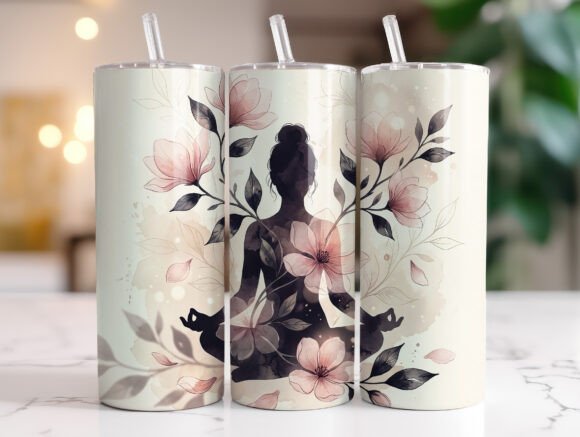
When I first opened the Yoga Instructor 20oz Tumbler Wrap Design, I was curious how a tumbler wrap graphic would translate into an embroidery project. As someone who spends as much time testing stitch files as I do designing them, I have learned that a good digital graphic does not always mean a good embroidery outcome. But this particular design carries a clean, centered simplicity that immediately suggested real potential for custom apparel and handmade gifts. The layout is straightforward, the theme is focused, and the proportions feel balanced for a range of finished products beyond just drinkware.
Let me walk through what this design offers, where it shines, and where you need to be careful if you plan to use it in machine embroidery or handmade merchandise for your shop.
First Look and the Mood It Brings
The Yoga Instructor 20oz Tumbler Wrap Design presents a calm, centered visual personality. It does not scream for attention. Instead, it invites recognition from anyone who practices yoga or teaches it. The design carries a professional but warm energy that feels appropriate for studio merchandise, instructor gifts, or boutique shop items. The layout is not overly dense, which is a relief because dense graphics often cause trouble when translated into satin stitch or fill stitch embroidery. The spacing looks generous enough to allow for clean stitching without excessive thread breaks or distortion.
If you are considering this as an embroidery file for a sweatshirt, tote bag, or apron, the mood works well. It feels like something a yoga instructor would actually wear or carry, not just a generic design slapped onto a product. That authenticity matters when you are building a craft business or curating design assets for an Etsy seller audience.
Real Case: Embroidering a Custom Tote Bag for a Yoga Studio
I recently prepared a custom tote bag order for a small yoga studio that wanted instructor-themed merchandise. I tested the Yoga Instructor 20oz Tumbler Wrap Design as the central motif. The studio owner wanted something that felt personal but not overly commercial. Once I transferred the design onto fabric using a medium-weight stabilizer and a standard hoop size, the stitching came out clean and readable. The satin stitch areas held their shape well, and the fill stitch sections did not pucker or pull the fabric out of alignment.
The finished bag looked professional enough to sell at the studio front desk. The students responded well to it, and several asked if the design could be put on a sweatshirt or cap. That feedback tells me the design has versatility beyond its original tumbler wrap format. If you are a small shop product creator or a handmade product seller, this kind of cross-application potential is valuable.
Where This Design Performs Best in Embroidery
Based on my testing, the Yoga Instructor 20oz Tumbler Wrap Design works exceptionally well on medium-weight woven fabrics and stable knits. Here are the products where I would confidently use it:
- Custom apparel like sweatshirts and hoodies where the fabric can support moderate stitch density
- Tote bag design projects that need a clean, centered graphic
- Sweatshirt embroidery for yoga instructors or wellness professionals
- Embroidered patch applications if you want to create removable or sew-on patches for studio uniforms
- Apron embroidery for boutique tea shops, wellness centers, or studio retail
- Personalized gift items like pillow covers or tea towels for yoga teachers
- Printable mockup presentations if you are a digital product seller showing how the design looks on finished goods
The design also previews well in digital embroidery file mockups because the high resolution PNG files include both straight and tapered versions. That makes listing on Etsy or your own shop straightforward. You do not need to guess how the wrap aligns on a curved surface.
Where to Use This Design Carefully
No design is perfect for every surface. The Yoga Instructor 20oz Tumbler Wrap Design has some limitations you should consider before committing to an embroidery project.
- Small hoop sizes – The design dimensions of 9.3 x 8.2 inches mean you need a hoop that can accommodate that area comfortably. If your hoop is smaller than 10 inches in one direction, you may need to resize the design, which could affect stitch density and detail clarity.
- Textured fabrics – Fleece, bouclé, or heavily textured knits can obscure the finer elements of the design. The clean lines may get lost in the nap of the fabric.
- Stretchy fabrics – Lightweight jersey or rib knit can cause distortion. Use a cutaway stabilizer and test on scrap first.
- Dark fabrics – If the thread colors you choose do not contrast well with a dark background, the design loses its visual punch. Always test a black and white mockup before stitching.
- Curved surfaces like caps – Though this is a tumbler wrap design, caps have a tighter curve. The design may need to be adjusted or segmented to fit properly on a cap front.
- Dense stitch areas – If you are using heavy fill stitch sections, reduce the density in your software to avoid thread breaks and fabric puckering.
Practical Designer Notes Before You Stitch
Before you load this into your machine, there are several checks I run on any machine embroidery design I plan to use for a client or for my own finished product inventory. Here is what I recommend:
- Test on scrap fabric first – Use the same fabric type as your final product. This will reveal any tension issues, stitch density problems, or alignment errors.
- Check thread color contrast – The design relies on clear contrast to read well. Test your thread choices against the fabric color before committing.
- Review stitch density – If the design seems too dense, adjust it in your embroidery software. High density can cause fabric damage on delicate materials.
- Confirm hoop size – Make sure your hoop can handle the full design area. Hooping errors are one of the most common problems I see in custom apparel projects.
- Inspect small details – Zoom in on the design file to check for tiny elements that may not stitch cleanly at your chosen size.
- Test in black and white – A grayscale printout helps you see value contrast without color distraction.
- Use proper stabilizer – For most garments, a tear-away or cutaway stabilizer works. For stretch fabrics, use a cutaway with light adhesive spray.
- Check licensing – Since this is an instant download with PNG files, verify whether the license covers commercial embroidery, handmade product sales, and finished product distribution. Do not assume you can sell embroidered items without confirming usage rights.
If you are a creative entrepreneur or hobbyist, these checks may feel like extra work, but they save you from wasting materials and disappointing customers. A single failed project can cost you time, thread, fabric, and trust.
How This Design Affects Product Value and Customer Trust
When I evaluate a design for my embroidery project workflow, I think about how it will affect the buyer experience. The Yoga Instructor 20oz Tumbler Wrap Design has a clear subject that resonates with a specific audience. That specificity is actually an advantage for small shop product creators. Customers who see a yoga instructor design on a tote or sweatshirt immediately understand who it is for. That recognition builds trust and makes the product feel intentional rather than generic.
From a handmade presentation standpoint, the design stitches out cleanly enough to look polished. Uneven stitching or distorted details would undermine the professionalism of your finished product. But because the layout is not overcrowded, the risk of issues is lower than with highly detailed graphics. That reliability matters when you are building a brand consistency across multiple product categories.
If you sell through craft fair products or Etsy listings, the design also works well in printable mockup photos. The straight and tapered PNG files let you show how the wrap looks on a tumbler while also demonstrating the embroidery version on apparel. That dual-use flexibility is a smart addition to your design assets library.
Giftability and Buyer Engagement
One question I always ask is whether a design will make someone want to buy it as a gift. The Yoga Instructor 20oz Tumbler Wrap Design fits neatly into the personalized gift category. Yoga instructors, studio owners, and wellness coaches are often hard to shop for. A custom embroidered item with a design that speaks directly to their profession feels thoughtful. I can easily see this on a holiday gift, a teacher appreciation present, or a studio team uniform.
From a buyer engagement perspective, the design invites conversation. When someone sees a yoga instructor motif on a bag or shirt, they ask about it. That word-of-mouth exposure is valuable for small business merchandise and boutique branding. The design does not have to explain itself; the viewer already understands the context.
Final Thoughts for Makers and Sellers
The Yoga Instructor 20oz Tumbler Wrap Design is a solid choice for anyone in the apparel decorator or handmade product space who serves the wellness community. It is not a complicated design, and that is precisely its strength. It leaves room for the fabric, the stitching, and the product to carry the quality. If you are an Etsy seller, a craft business owner, or a creative entrepreneur looking to expand your design assets with something that works across custom apparel, tote bag design, and embroidered patch projects, this is worth adding to your library.
Just remember to test it on your actual fabric, confirm the hoop size, check the license terms, and adjust stitch density if needed. Those steps separate a professional finished product from a frustrating failed project. With the right preparation, this design can become a reliable item in your small shop product lineup.
I have used it in a tote bag project already, and I am planning a sweatshirt version for a studio order next month. That is the kind of repeat use that tells me a design has real staying power. If you work with yoga instructors or wellness brands, this one is worth a close look.