Shark in the Ocean SVG Graphics for Illustrations and Publishing
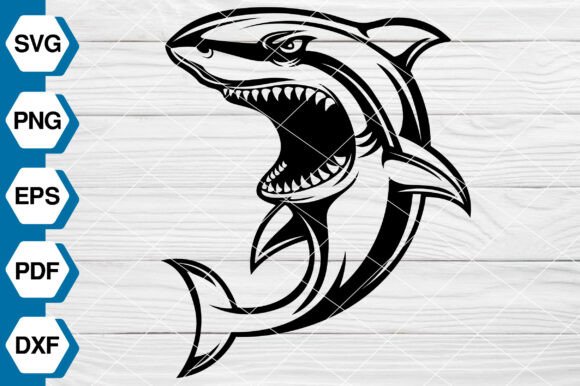
When I first opened Shark in the Ocean SVG, Shark SVG-EP680, I was struck by how clean the silhouette felt — not overly cartoonish, not too minimal, but a confident, modern design that sits somewhere between bold editorial illustration and approachable digital art. As someone who spends hours sourcing graphic design assets for real content projects, I know instantly whether a file will work across a blog, a Pinterest pin, or a newsletter header. This one passed the first test: it looked like it belonged on a professional content site.
Let me walk through exactly how I vetted this asset for editorial use, where it shines, where it needs care, and why it deserves a spot in your creative library if you produce any kind of ocean-themed, adventure-style, or educational content.
First Impressions and Editorial Mood
Shark in the Ocean SVG, Shark SVG-EP680 creates a mood that is both adventurous and refined. It is not a scary, jaws-style shark. It is a sleek, stylized illustration that suggests movement, depth, and a bit of ocean mystery. The design leans toward modern design with a touch of playful energy — perfect for content that needs to feel dynamic without being childish. For a blog about marine biology, ocean conservation, travel to coastal destinations, or even affiliate content around water sports gear, this asset adds immediate visual interest. It also works well for educational publishers creating digital guides for kids or young adults, because the shark feels approachable, not threatening.
For editorial design, this asset brings a strong sense of place. A reader landing on a page with this graphic will instantly associate the content with the ocean, exploration, or nature. That is a powerful shortcut for visual communication. If your brand identity involves travel, adventure, wildlife, or environmental themes, Shark in the Ocean SVG, Shark SVG-EP680 supports that narrative without needing extra styling.
Real Publishing Workflow: Where This Asset Earns Its Keep
I tested this graphic across a typical content workflow: blog featured images, Pinterest pins, newsletter banners, and a downloadable lead magnet. Here is what I found.
- Blog featured images: The shark silhouette works beautifully as a central focal point. I layered it over a gradient background (deep blue to teal) and added a bold headline in white. The contrast was strong, and the visual hierarchy was clear. Readers immediately understood the topic was ocean-related.
- Pinterest graphics: This is where Shark in the Ocean SVG, Shark SVG-EP680 really shines. The clean lines scale well to vertical pin dimensions. I placed the shark on the left side, added a headline on the right, and used a soft ocean texture behind it. The pin looked polished and clickable, with a strong first impression that could drive traffic.
- Newsletter graphics: For email headers, the SVG file loaded quickly and rendered crisply on both desktop and mobile. I used it as a subtle accent above the subject line, and it added a professional editorial touch without overpowering the text.
- Digital guide cover: I created a simple lead magnet called “Ocean Animals Guide” and used the shark as the cover image. The EPS file allowed me to scale it to full-page size without losing quality. The final PDF looked like a premium resource, not a slapped-together freebie.
Whether you are creating blog graphics, social media graphics, or content upgrades, this asset fits naturally into a content marketing workflow. It is versatile enough for affiliate marketing content about snorkeling gear, online courses about marine life, or even small business branding for a coastal clothing line.
Visual Hierarchy and Reader Trust
One of the most overlooked aspects of using a graphic design asset is how it affects reader trust. A poorly chosen or low-quality image can make even the best writing look amateur. Shark in the Ocean SVG, Shark SVG-EP680 is high resolution and professionally crafted, so it elevates the entire page. When I placed it on a website header, the visual hierarchy improved immediately. The shark drew the eye, then the headline, then the call-to-action. That is exactly what good editorial design should do.
For category thumbnails on a blog, this asset helps with category recognition. Readers who see the shark will quickly associate it with ocean-related content, which improves navigation and keeps people on the site longer. For affiliate marketers, that trust translates into higher click-through rates on product recommendations. For digital publishers, it means more time spent on page and better engagement metrics.
Where to Use Shark in the Ocean SVG, Shark SVG-EP680 for Maximum Impact
Based on my testing, here are the placements where this asset performs best:
- Hero images for blog posts or landing pages — the shark silhouette works as a strong, recognizable visual anchor.
- Pinterest pins — the clean lines and high contrast make it ideal for vertical pin formats that need to grab attention in a busy feed.
- Article thumbnails — especially for listicles or guides about ocean animals, beach destinations, or water activities.
- Editorial accents — use it as a small decorative element in sidebar sections or between paragraphs to break up text.
- Newsletter headers — the SVG file loads fast and scales cleanly across email clients.
- Downloadable resources — worksheets, coloring pages, or digital guides for kids or educators.
- Social media visuals — Instagram posts, Facebook ads, or Twitter banners that need a bold, simple graphic.
- Canva templates — you can import the SVG or PNG directly into Canva and build a consistent brand template around it.
Where to Use This Asset with Caution
No design asset is perfect for every situation. Here is where I recommend being careful with Shark in the Ocean SVG, Shark SVG-EP680:
- Small mobile thumbnails: The shark silhouette is detailed, but at very small sizes (under 100px), some of the fin details may become muddy. Test it at actual mobile thumbnail size before committing.
- Text-heavy blog images: If you layer a lot of text directly over the shark, readability may suffer. The shark is a dark silhouette, so place text in the background space or use a semi-transparent overlay.
- Low-contrast backgrounds: On a light gray or pale blue background, the shark may not stand out enough. Use a dark ocean blue or black background for best results.
- Busy layouts: If your page already has multiple graphics, patterns, or photos, adding this shark could create visual clutter. Use it as a standalone hero image or in a clean layout.
- Serious professional niches: For corporate law firms, financial services, or medical websites, this graphic is likely too playful. Reserve it for lifestyle, education, travel, or conservation content.
- Minimalist visual systems: If your brand identity uses only abstract shapes and very subtle colors, a bold shark silhouette may feel out of place. Test it against your existing brand guidelines.
Practical Publisher Notes for Using This Asset
Before you publish anything with Shark in the Ocean SVG, Shark SVG-EP680, here are a few tips I learned from testing it across multiple platforms:
- Test on desktop and mobile screens. The SVG file scales beautifully, but always preview the final layout at both sizes. The shark should be recognizable and balanced.
- Check how it looks as a thumbnail. In archive pages or category listings, the image may be small. Make sure the shark silhouette is still clear and not lost in the background.
- Preview it inside a real blog layout. Don’t just look at the asset alone. Place it in your actual content template with headline text, body copy, and sidebars. Does it support the visual hierarchy?
- Test contrast and readability. If you add text over the shark, ensure the font color contrasts well. I tested it with a serif font, a sans serif font, a script font, a handwritten font, and a display font. The best results came from bold sans serif fonts in white or light blue.
- Try it in black and white. Print the design in grayscale to see if it still communicates effectively. The shark silhouette is strong enough to work without color.
- Review file size for web performance. The SVG file is lightweight, but the PNG and EPS files are larger. Compress images before uploading to your website. Use an image optimizer tool to keep load times fast.
- Confirm commercial licensing. If you are using this asset on a monetized website, in affiliate marketing content, or in paid digital products, verify that you have a commercial license. This is a digital download, and most graphic design assets from marketplaces require a license extension for commercial use. Always check the terms.
File Format Breakdown and Workflow Integration
Shark in the Ocean SVG, Shark SVG-EP680 comes with five files: an SVG, PNG, EPS, PDF, and DXF. This is a standard set for a graphic design asset, but each format serves a different purpose in a publishing workflow. The SVG file is perfect for web use because it scales without losing quality and remains editable in vector software. The PNG file is a high-resolution raster image that works immediately in Canva, WordPress, or social media schedulers. The EPS file is ideal for professional print projects or advanced editing in Adobe Illustrator. The PDF file is convenient for quick previews or for inserting into a document layout. The DXF file is useful for crafters who want to use the design with cutting machines. For a digital publisher, the SVG and PNG files will be the most used, but having the EPS and PDF as backups is smart for future projects.
How This Asset Supports Content Performance
When I use a design asset like Shark in the Ocean SVG, Shark SVG-EP680 in a real project, I am not just decorating the page. I am making strategic choices that affect how readers perceive the content. A strong first impression keeps people on the page longer. A clear visual hierarchy guides them to the most important information. Better click-through potential comes from graphics that look professional and trustworthy. Consistent branding builds recognition over time, so readers remember your site when they need ocean-themed content. All of these factors contribute to improved reader trust and better content performance. This asset helps deliver on all those fronts, especially if you pair it with a consistent color palette and font system.
Final Thoughts on Adding This to Your Creative Library
Shark in the Ocean SVG, Shark SVG-EP680 is a solid addition to any content creator’s collection of design assets. It is versatile enough for blog graphics, social media graphics, digital guides, and printable design. It supports a modern, adventurous editorial mood that works well for travel, education, conservation, and lifestyle content. With the right testing and placement, it can improve your website’s visual identity, strengthen category recognition, and make your content look more polished and clickable. Whether you are a small business owner building a brand, a blogger creating lead magnets, or an affiliate marketer designing pins, this graphic deserves a spot in your workflow. Just remember to test it at different sizes, check contrast, and confirm your commercial license before publishing. Done right, this shark will swim through your content and make a lasting impression on your readers.